Rubber Roof Inspection Benefits
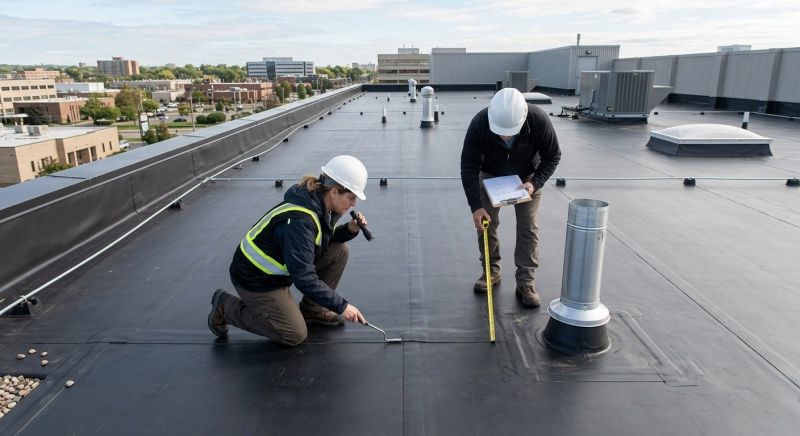
Regular inspections help identify potential issues early to prevent costly repairs.
Signs Of Rubber Roof Damage
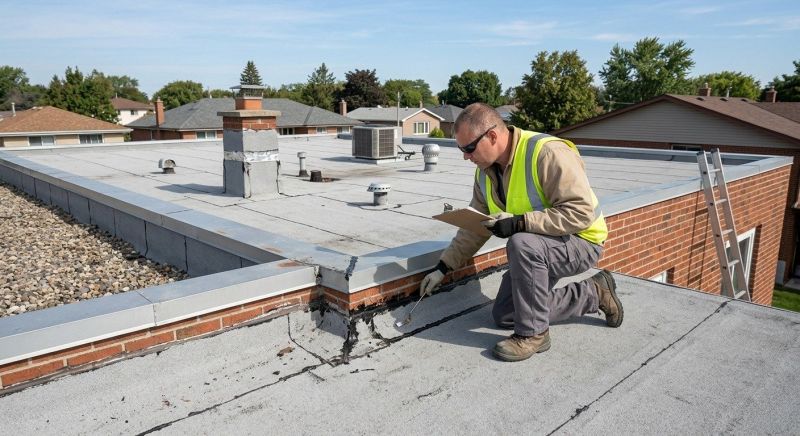
Look for cracks, blisters, or ponding water that could indicate underlying problems.
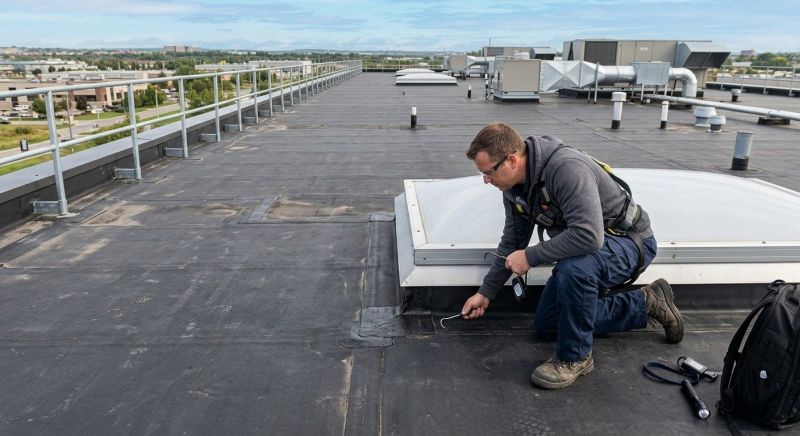
Inspection Process Overview
A thorough review includes checking seams, flashing, and surface integrity for safety and longevity.
Rubber Roof Inspection in Boulder, CO
Rubber roof inspection services involve a thorough assessment of rubber roofing systems on residential properties. These inspections typically include checking for signs of wear, damage, or leaks, as well as evaluating the overall condition of the roofing material. Projects can range from routine maintenance inspections to more detailed evaluations following severe weather events or suspected issues. Property owners often seek these inspections to identify potential problems early, prevent costly repairs, and ensure the longevity of their rubber roofing systems.
Before requesting a rubber roof inspection, homeowners usually want to understand what areas will be examined and what issues might be uncovered. Common concerns include punctures, cracks, pooling water, or blistering in the rubber membrane. Property owners may also inquire about the lifespan of their current roof and whether repairs or replacements are advisable. Having a clear understanding of the inspection process helps homeowners make informed decisions about maintaining their roofing and addressing any issues promptly.
Many property owners in Boulder, CO look into Rubber Roof Inspection for repairs, replacements, upgrades, and appearance-related improvements.
Common Rubber Roof Inspection Jobs
Rubber roof inspections help identify potential leaks and damage early before they worsen.
Residential rubber roofs require regular assessments to maintain their waterproof integrity.
Commercial rubber roofing inspections ensure safety and compliance for business properties.
Damage assessments focus on checking for tears, punctures, or surface deterioration.
Preventive inspections can extend the lifespan of rubber roofing systems.
Storm damage evaluations help determine if repairs are needed after severe weather events.
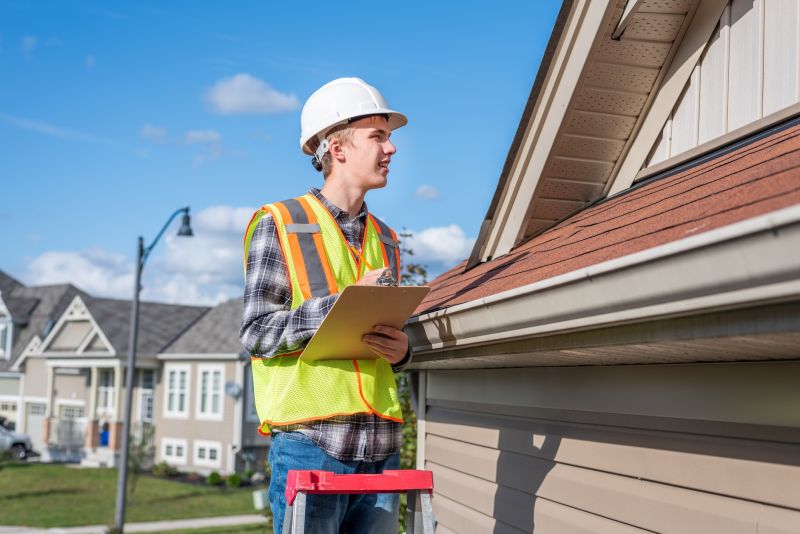
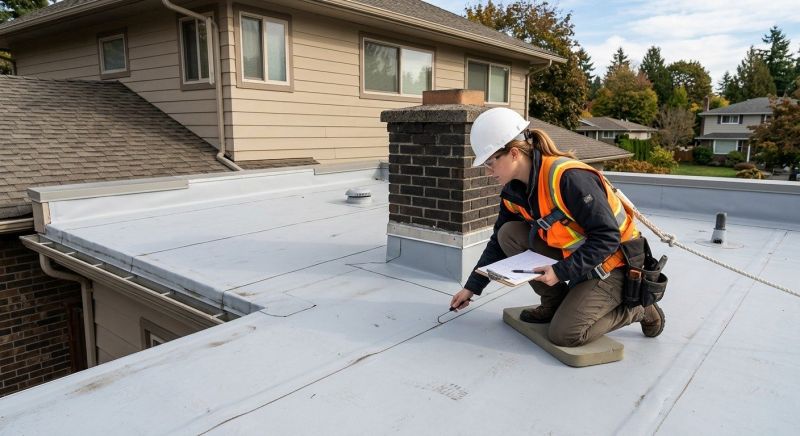
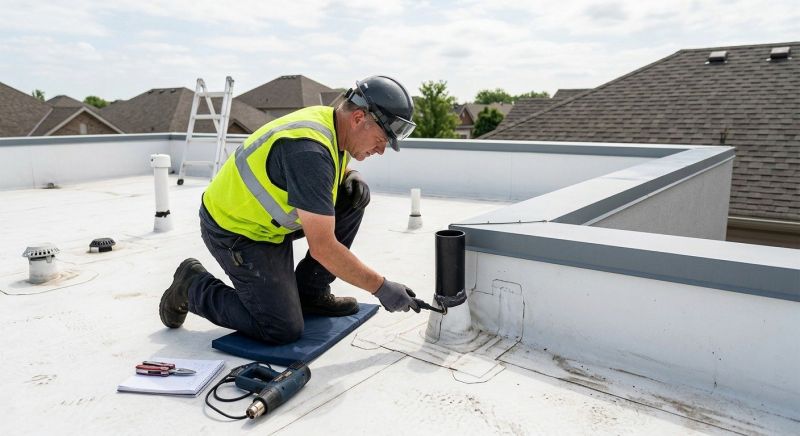
Rubber Roof Inspection Questions
What is involved in a rubber roof inspection? The process includes examining the roof surface, checking for signs of damage or wear, and assessing drainage and flashing components.
Why should a homeowner consider a rubber roof inspection? Regular inspections help identify potential issues early, preventing costly repairs and extending the roof's lifespan.
What signs indicate a need for a roof inspection? Visible cracks, ponding water, or damaged seams are common indicators that an inspection may be beneficial.
How often should rubber roofs be inspected? It is recommended to have a rubber roof inspected at least once a year or after severe weather events.
Request Rubber Roof Inspection in Boulder, CO
Use the quote form on this page to share the basics of your project and request more information for the type of work you need.